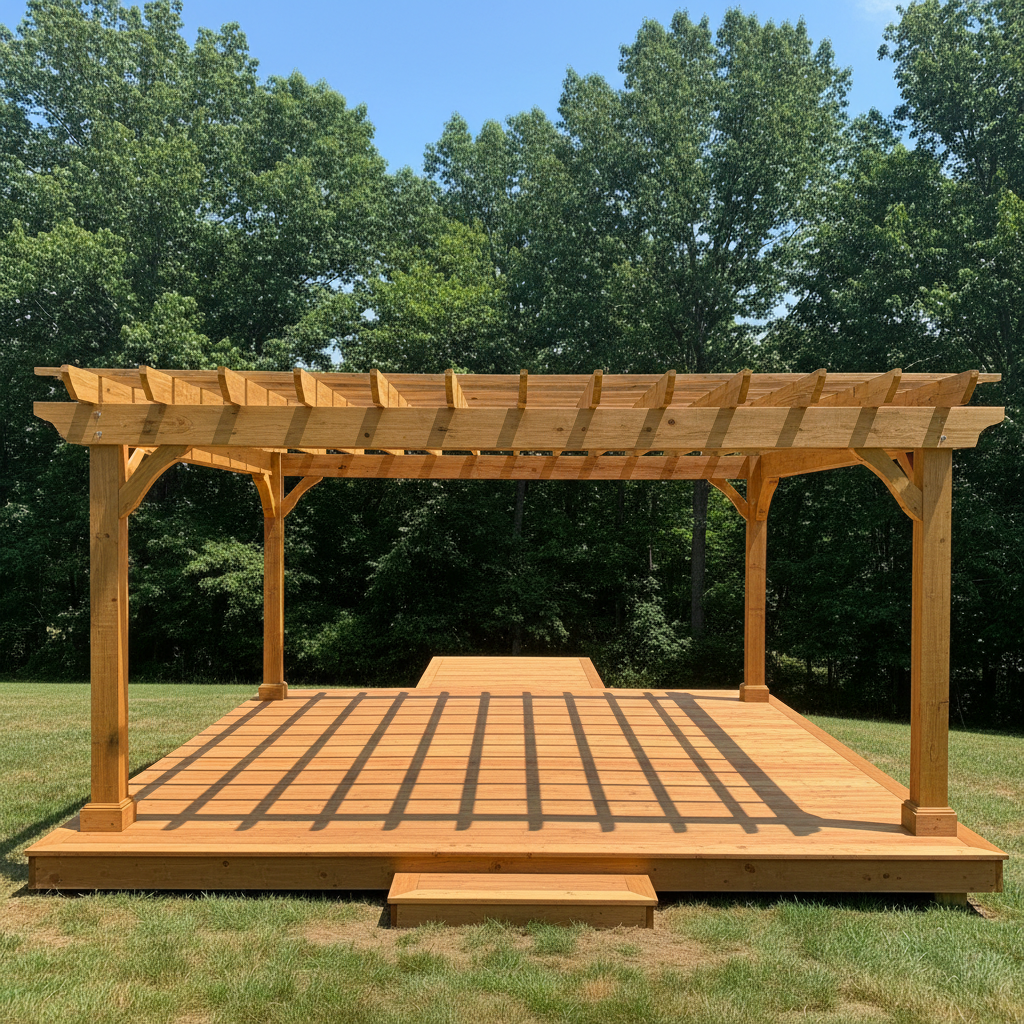
You've got a pergola, right? Maybe I built it for you, or maybe another crew did. Either way, you've added some real charm and function to your Knoxville home. But just like anything else outdoors, it's not a 'set it and forget it' deal. You've gotta show it a little love if you want it to last, especially with our Tennessee weather. I've seen too many good pergolas go bad because folks didn't know what to look for or what to do. That's what I'm here to fix.
Keeping Your Pergola Strong in the Volunteer State
Our climate here in Knoxville is no joke. We get hot, humid summers, freezing winters, and plenty of rain in between. That's tough on any outdoor structure, and pergolas are no exception. The key to making your pergola last isn't some secret trick; it's consistent, common-sense care.
First off, think about the materials. If your pergola is wood, especially something like cedar or pressure-treated pine, it needs protection. A good quality stain or sealant isn't just for looks; it's your first line of defense against moisture, UV rays, and even insect damage. I always recommend reapplying a good sealant every 2-3 years, sometimes more often if it's exposed to direct, all-day sun or heavy rain. You'll know it's time when water stops beading up on the surface. For composite or vinyl pergolas, you've got less to worry about in terms of sealing, but they still need cleaning.
Drainage is another big one. Make sure water isn't pooling around the base of your posts. If it is, you're inviting rot and decay right where your structure needs to be strongest. Sometimes it's as simple as clearing out leaves or adjusting the landscaping slightly. If your pergola has a solid roof or a retractable canopy, make sure the water is shedding properly and not collecting anywhere.
What Regular Maintenance Looks Like
This isn't a full-time job, I promise. Most of what you need to do can be tackled in an afternoon a couple of times a year.
- Spring Cleaning: Once the pollen settles down, give the whole thing a good wash. A soft brush and a mild soap-and-water solution usually do the trick. You can use a pressure washer on a very low setting, but be super careful, especially with wood. Too much pressure can gouge the wood or force water into places it shouldn't be.
- Fall Prep: Before the leaves really start coming down, clear any debris from the top of your pergola, especially if it has a solid roof or shade sails. Leaves hold moisture, and moisture leads to mildew and rot. Check for any loose fasteners or connections before winter sets in.
- Check for Pests: Termites and carpenter bees love wood, and they love it even more when it's a bit soft from moisture. Do a quick visual inspection for any small holes, sawdust, or mud tubes. This is particularly important for older wooden pergolas.
- Inspect Fasteners: Over time, screws and bolts can loosen up with temperature changes and natural movement. Give them a quick check and tighten anything that feels wobbly.
It's about being proactive. A little bit of effort now saves you a lot of headache and expense down the road. Trust me, I've seen the headaches.
Warning Signs You Shouldn't Ignore
Your pergola will usually tell you when something's wrong, if you know what to listen for. Don't put off addressing these issues:
- Discoloration or Dark Spots: This often means mildew, mold, or algae. While not always structurally damaging immediately, it indicates a moisture problem and can lead to rot if left unchecked.
- Soft or Spongy Wood: Poke around with a screwdriver, especially at the base of posts or where wood meets other materials. If it feels soft or crumbles, you've got rot. This is a serious structural issue.
- Cracks or Splits: Small hairline cracks are normal as wood ages, but large, deep cracks, especially in load-bearing beams or posts, can compromise the integrity of the structure.
- Wobbling or Instability: If your pergola feels shaky when you push on it, that's a red flag. It could be loose fasteners, rotted posts, or foundation issues.
- Peeling Paint or Stain: This isn't just cosmetic. It means the protective layer is failing, leaving the material underneath vulnerable to the elements.
Remember those humid Knoxville summers? They're perfect for encouraging mold and rot if you're not on top of things. I've seen pergolas in older neighborhoods like Sequoyah Hills where beautiful old growth trees provide a lot of shade, but also keep things damp, which can accelerate these problems if not maintained.
When to Call a Professional (Like Pacific Deck Company)
Look, a lot of this maintenance you can handle yourself. But there are times when it's smarter, and safer, to bring in the pros. Here's when you should pick up the phone:
- Significant Rot or Structural Damage: If you find extensive rot in a post or beam, or if the pergola feels unstable, don't try to jury-rig a fix. Replacing structural components requires expertise to ensure safety and compliance.
- Foundation Issues: If posts are sinking, heaving, or shifting, that's a job for someone who understands proper footing and foundation repair.
- Pest Infestations: If you've got a serious termite or carpenter bee problem, you might need an exterminator first, and then a builder to repair the damage.
- Complex Repairs: If you're not comfortable working at heights, or if the repair involves intricate cuts or heavy lifting, it's best to call someone who does this for a living.
- You're Just Not Sure: If you're looking at something and thinking,